The Ultimate Beginner’s Guide to Successful Tent Camping: Sleep Under the Stars Without the Stress
So, you’ve decided to trade the four walls of your bedroom for the great outdoors—congratulations! There is truly nothing like the smell of pine in the morning or the sound of a crackling fire at night.
If you’re feeling a little nervous, don’t sweat it. We’ve all been there, fumbling with tent poles in the dark. As your “camping-obsessed” friend, I’ve gathered the best tent camping tips for beginners to help you skip the frustration and go straight to the fun.
1. The Golden Rule: Practice Tent Setup at Home
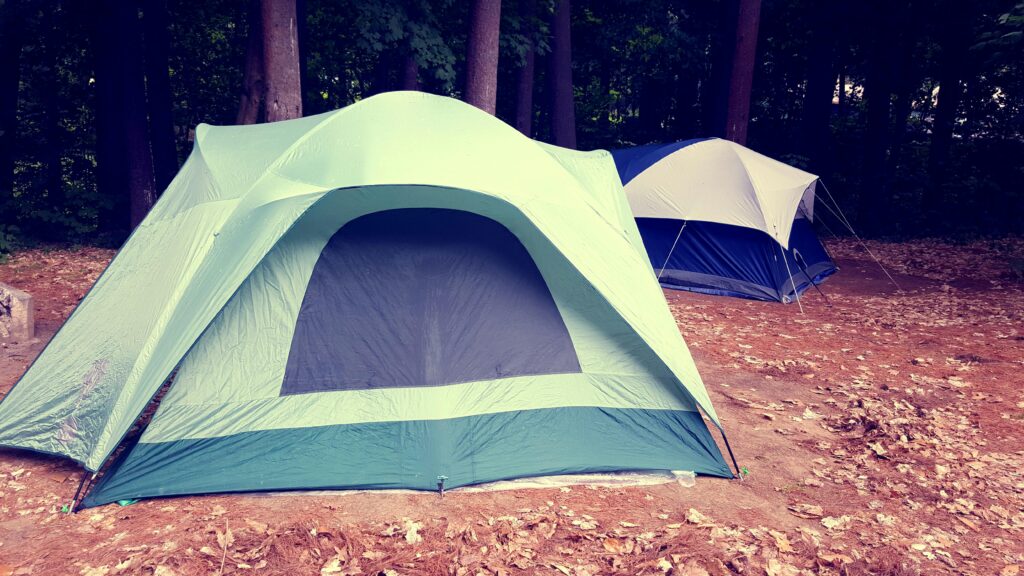
Before you head to the campground, set up your tent in your backyard or living room. Trust me on this. You don’t want your first time wrestling with tent sleeves to be at 7:00 PM in the woods while the kids are hungry.
- Check for parts: Ensure every pole and stake is in the bag.
- Waterproof your gear: Even new tents can have weak seams. Grab a bottle of heavy-duty waterproof spray and give your tent a good coating to ensure you stay dry during rainy weather camping.
2. Choosing the Best Tent Size
Here is a little secret the labels won’t tell you: tent capacity is based on people packed like sardines.
- A 6-person tent is usually perfect for 3 to 4 people plus gear.
- If you want room for camping chairs or bags, always “size up” by at least two people to ensure a comfortable family camping experience.
3. Site Setup: Location is Everything
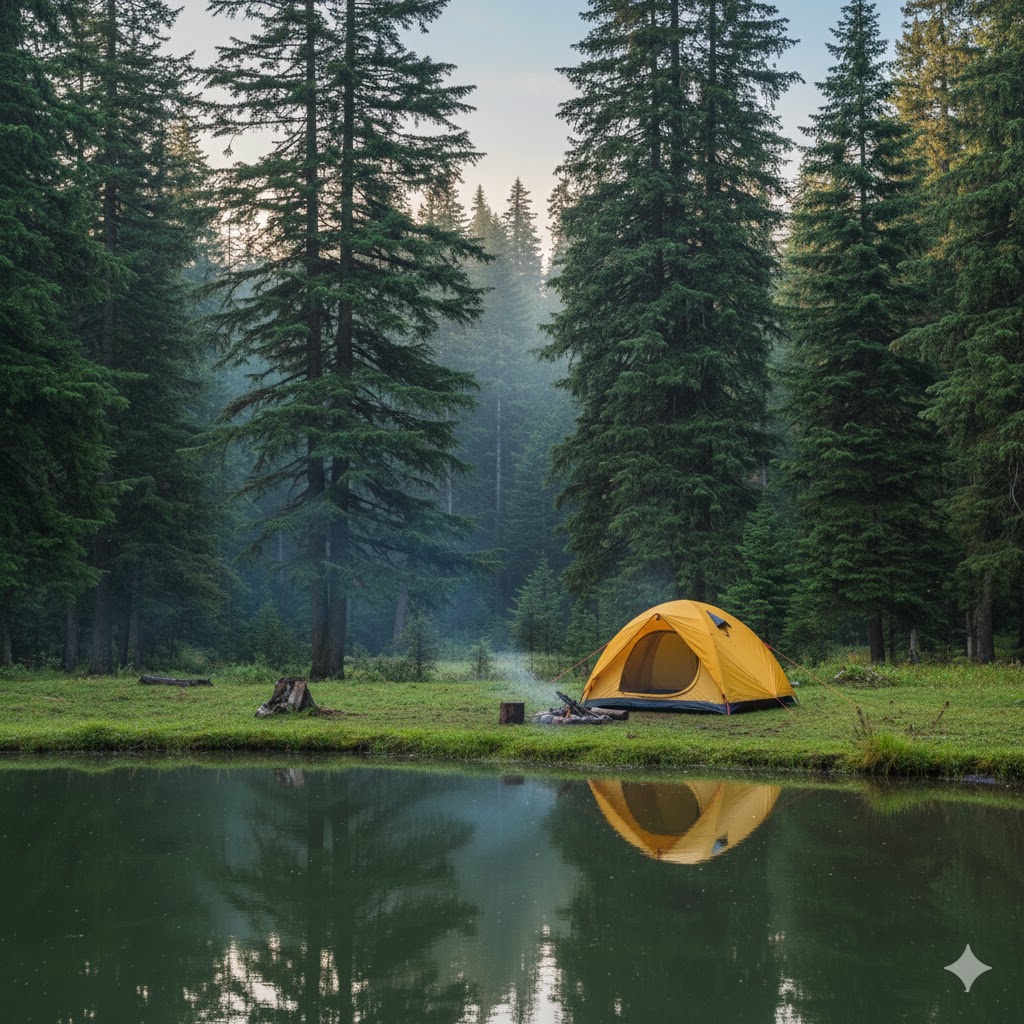
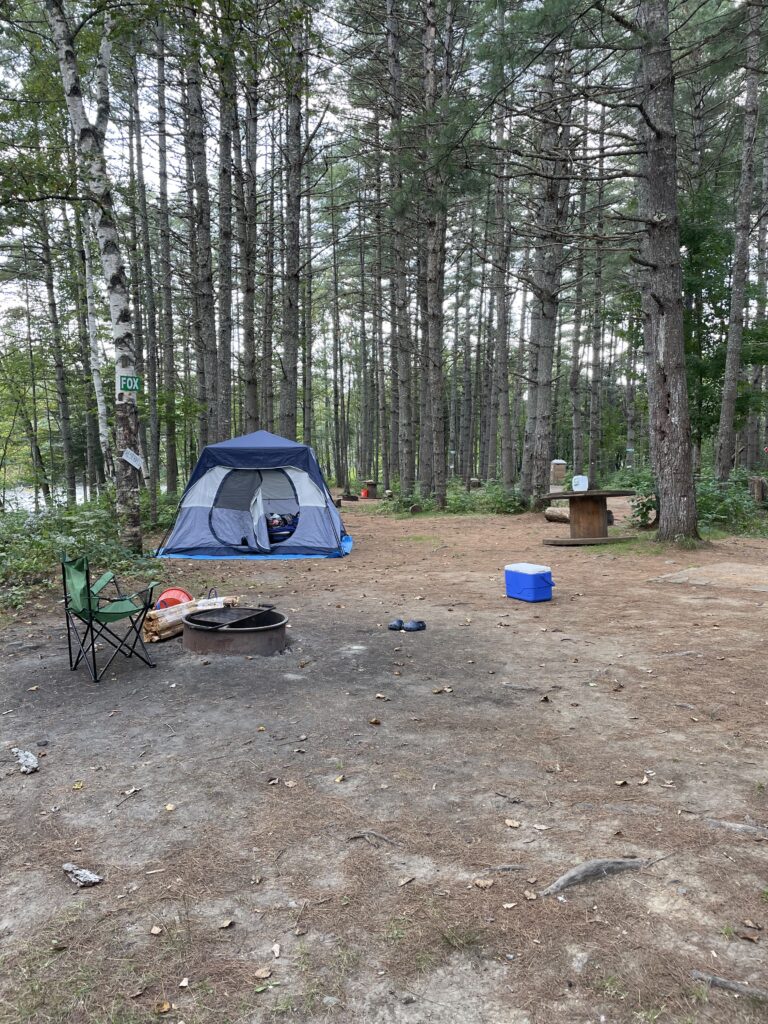
When you arrive, look for a level campsite. Sleeping on a slant might seem okay at first, but you’ll spend the whole night sliding off your mattress! Once you find your flat spot:
- Clear the debris: Remove any sharp rocks or sticks.
- Stake it down: Even if there isn’t a cloud in the sky, secure your tent immediately. A sudden gust of wind can turn your tent into a giant kite.
4. How to Keep Your Tent Dry
Moisture is a camper’s only real enemy. To keep your “home away from home” cozy, use the tarp strategy:
- Ground Tarp: Lay a tent (footprint) underneath your tent to protect the floor from moisture and sharp objects.
- Rain Cover: If the forecast looks iffy, hang a tarp high above the tent using rope and nearby trees to create a “rain shelter.”
- Post-Trip Care: When you get home, never store a wet tent. Set it up in the sun to dry completely, or it will grow mold faster than you can say “marshmallow.”
5. Keeping the Dirt Out
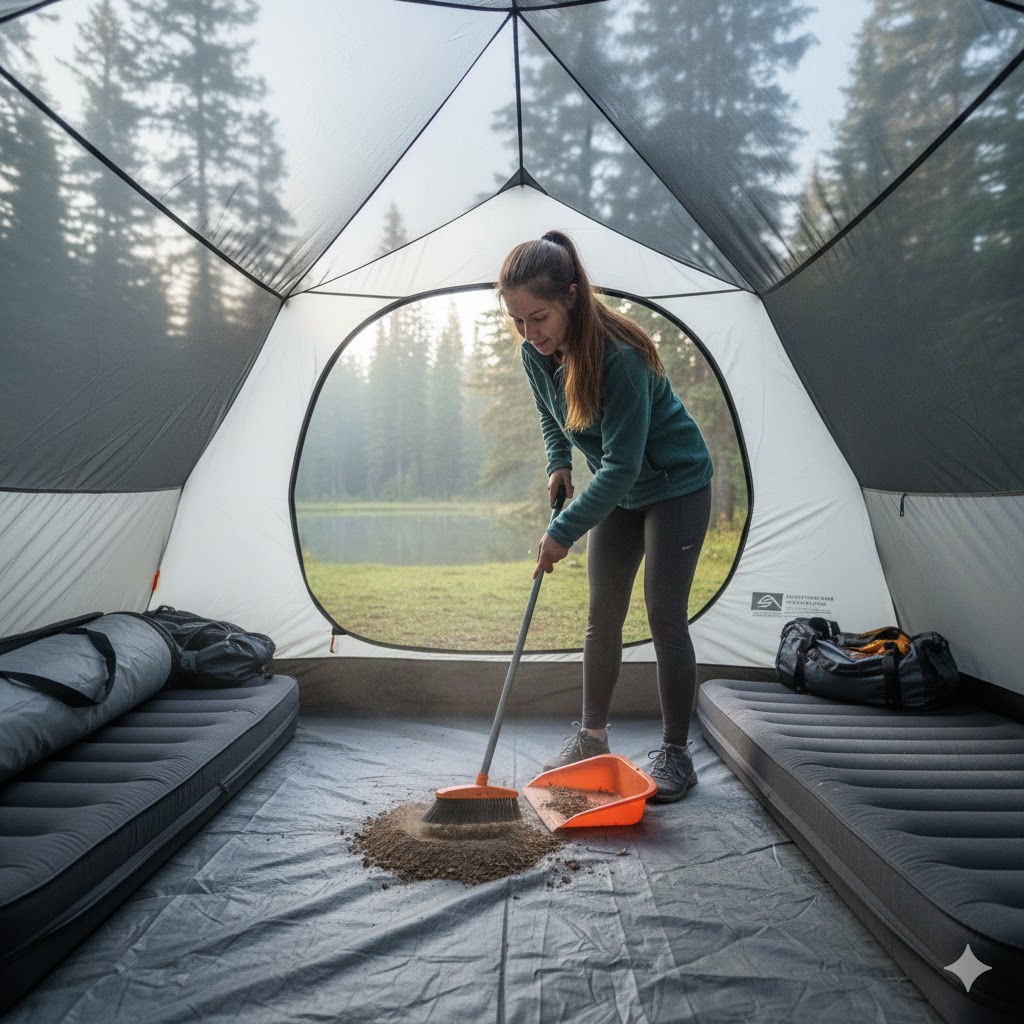
Keeping the inside of your tent clean makes a huge difference in how “cozy” it feels.
- The Welcome Mat: Place a piece of outdoor carpet or a heavy-duty mat right in front of the door. It’s a visual reminder for everyone to take their shoes off.
- The Cleaning Kit: Bring a small hand broom and dustpan. A quick 30-second sweep of the tent floor at the end of the trip makes packing up so much easier.
6. A Better Night’s Sleep: Essential Camping Bedding
Forget sleeping on the hard ground. You want to wake up feeling refreshed, not like you wrestled a bear.
- The Foundation: Use insulated sleeping pads, a folding camping cot, or a luxury air mattress. Personally, I’m a fan of the air mattress or cot—it gets you off the cold ground and feels much more like a real bed.
- The Bedding: Don’t forget your pillows from home! Pair them with a high-quality sleeping bag rated for the local temperature.
- The Extra Mile: Always pack extra blankets. Temperatures can drop quickly at 3:00 AM, and there’s no such thing as being “too warm” while camping.
7. Lighting the Way
When the sun goes down, it gets dark in the woods. Bring a few LED camping lanterns to hang from the hooks at the top of your tent. This provides a nice, even glow for reading or changing clothes without having to fumble with a flashlight.
Ready to Start Your Adventure?
Preparation is the difference between a “disaster story” and a “lifetime memory.” Take it slow, enjoy the fresh air, and remember that even the most experienced campers are still learning.