Your Complete Guide to RV Living, Buying, and Adventure on the Open Road
Are you trying to decide between a motorhome or a travel trailer? Choosing between a motorhome and travel trailer is one of the most important decisions in your RV journey.
Each offers unique advantages for different lifestyles, budgets, and adventure styles. Understanding the differences between Motorhomes & Travel Trailers can greatly influence your choice.
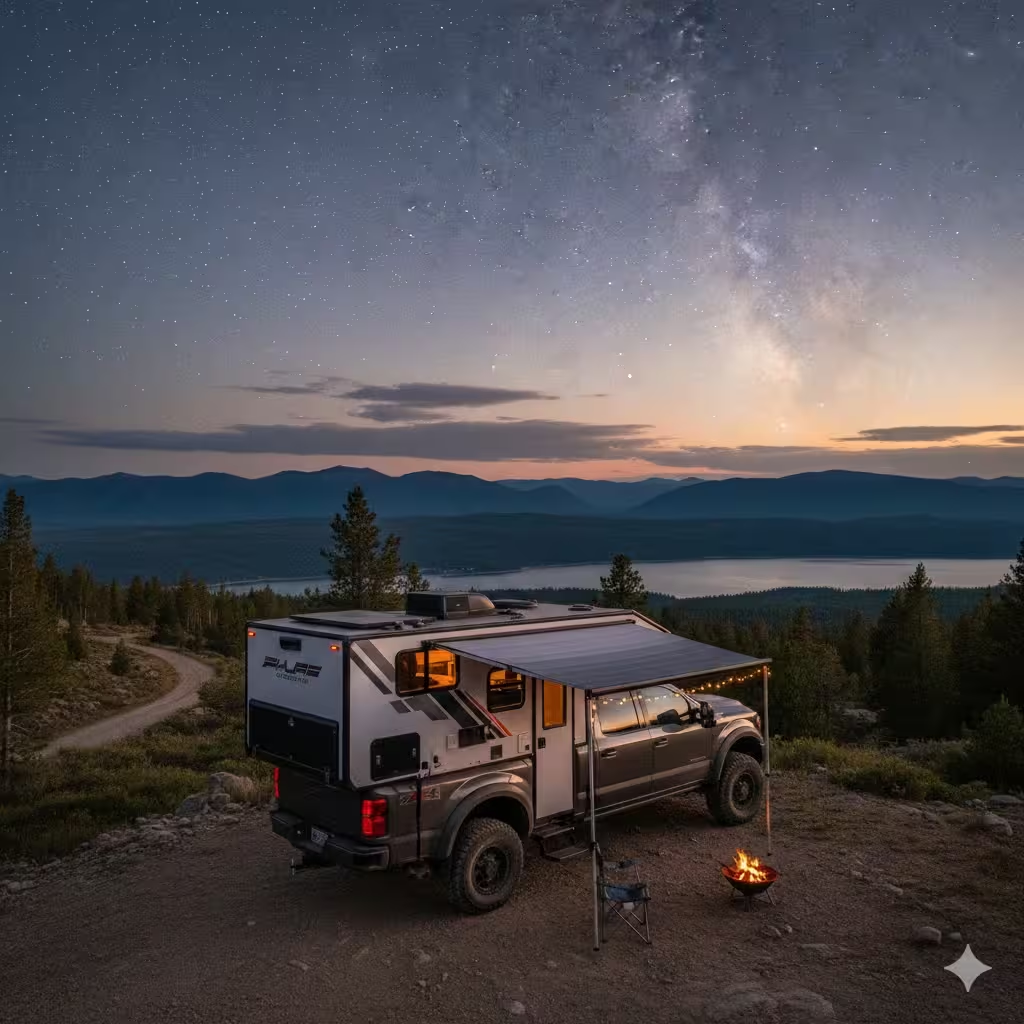
Let’s not also forget about the truck camper and pop-up’s!
This complete RV buying guide breaks down the differences, benefits, sleeping capacity, setup, towing requirements, rental options, and the best places to buy new or used RVs.
When weighing your options, consider how Motorhomes & Travel Trailers fit your travel needs and lifestyle preferences.
Whether you’re planning weekend camping trips or dreaming of full-time RV living, this guide will help you confidently choose the right RV for your family. Let’s explore the key differences to help you make an informed choice.
Motorhomes: The All-in-One Adventure
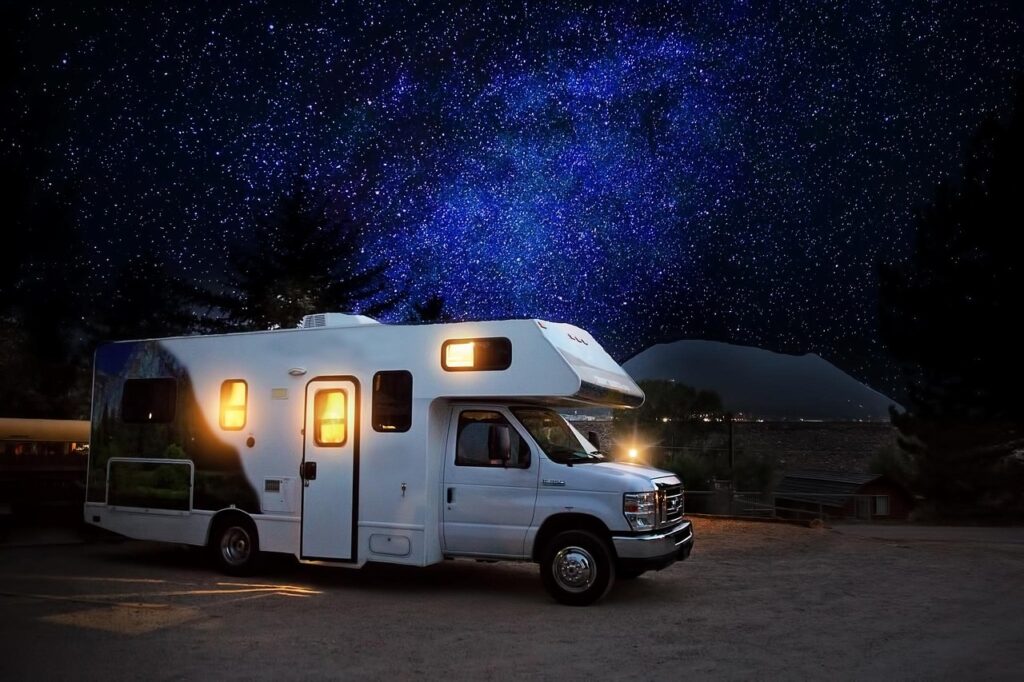
A motorhome is a self-contained unit where the living quarters and the engine share the same chassis. These are categorized into Class A (bus-style), Class B (camper vans), and Class C (truck-chassis with an overhead bunk).
Motorhome Benefits
- Easy to drive (no towing required)
- Quick setup at campgrounds
- Ideal for long road trips
- Comfortable in all weather (AC + heat built in)
- Great for families or full-time RVers
- Direct access to the kitchen and bathroom while in motion (for passengers), easier to back into tight campsites, and no extra vehicle needed to get moving.
Motorhome Sleeping Capacity
Most motorhomes sleep 2–8 people, depending on floor plan and size.
Setup & Design: Motorhomes feature integrated living quarters with slide-outs that expand interior space at campsites. Most include full kitchens, bathrooms, sleeping areas, and entertainment systems. Class A models can exceed 40 feet with luxury amenities like residential appliances and washer/dryers.
Travel Trailers: The Ultimate Versatility
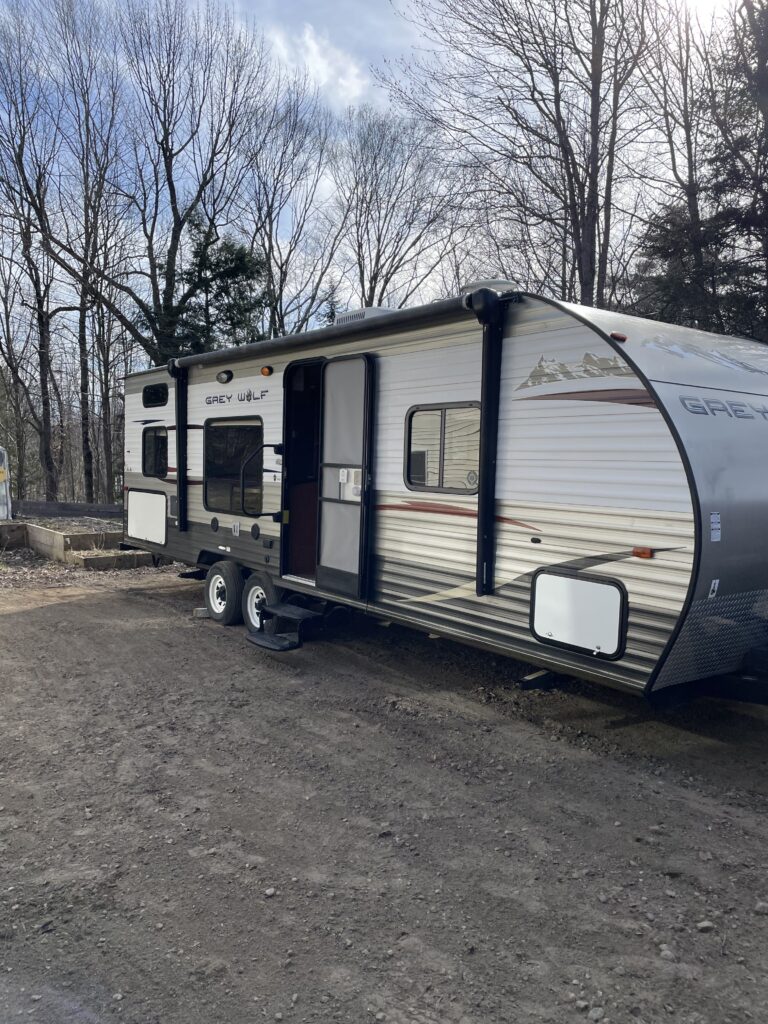
Travel trailers are towed behind a separate vehicle. This category includes everything from tiny teardrops to massive 40-foot luxury rigs.
The Towing Factor: Critical Note: Your vehicle must have a towing capacity that exceeds the trailer’s “Fully Loaded” weight (GVWR). Never tow at your vehicle’s absolute limit; a 20% safety margin is recommended.
Design & Setup: Requires hitching/unhitching. Once unhooked, you have your truck or SUV free to explore local towns or trailheads. Travel trailers require a compatible towing vehicle with adequate payload capacity. Most feature stabilizing jacks, awnings, and slide-outs. Fifth-wheel trailers offer two-story designs with raised bedroom areas. Popular floor plans include bunkhouses, rear living, and toy haulers for adventure gear.
Sleeping Capacity: Highly variable, ranging from 2 to 10+ in bunkhouse models.
The Benefits: Generally more affordable than motorhomes and lower maintenance costs since there is no engine in the living unit.
Critical Consideration for Travel Trailers: You absolutely must ensure your towing vehicle can handle the trailer’s weight. Check your vehicle’s towing capacity, payload rating, and tongue weight limits. A half-ton truck typically handles 8,000-12,000 lbs, while three-quarter and one-ton trucks can tow 15,000-35,000 lbs. Exceeding these limits is dangerous and illegal. Many dealerships offer towing capacity consultations.
The Smart Way to Start: Buying Used RVs
For many, the best way to enter the RV lifestyle is through the used market. Purchasing a used motorhome or travel trailer can save you 30-50% compared to buying new, making it an excellent entry point into RV ownership. RVs depreciate rapidly in the first 3-5 years, meaning you can find well-maintained units with low mileage at significant discounts.
Upgraded Features: Many used RVs come with “extras” already installed by previous owners, like solar panels or upgraded mattresses.
Vintage Charm: If you love a retro aesthetic, vintage trailers (like Airstreams or Shastas) offer a unique community and timeless style.
Where to Buy Used or Vintage RVs
- RV Trader: The gold standard for filtered searches by type, price, and location.
- Camping World: Great for certified pre-owned options with dealer warranties.
- Lazydays RV, and General RV have large used inventories with warranty options and financing assistance.
- Facebook Marketplace & RV Groups: Ideal for finding local vintage gems and private sellers.
- Private Sellers and Local RV Dealers: Often the best deals come from individuals selling their well-maintained RVs. Bring a knowledgeable friend or hire an RV inspector ($300-500) to check for water damage, structural issues, and mechanical problems.
- Vintage RV Specialists: For classic Airstreams, restored vintage campers, and retro models, check specialized dealers like Vintage Trailer Supply, Flyte Camp, and local vintage RV shows. Vintage models (1960s-1980s) have dedicated followings and can be restored beautifully.
Inspection Checklist: Before buying used, thoroughly inspect the roof for leaks (the #1 RV problem), test all appliances, check tire age (replace if over 6 years old), run the generator, test slide-outs, and verify the title is clear. Consider hiring an NRVIA certified inspector for peace of mind.
Try Before You Buy: RV Rentals
Renting an RV before purchasing is one of the smartest decisions you can make. It allows you to experience different RV types, understand the lifestyle demands, and identify what features matter most to you—all without the commitment of ownership. Before dropping thousands, rent a rig for a weekend. You’ll quickly learn if a Class C feels too big or if a travel trailer is too much work to hitch.
Renting allows you to:
- Test drive different RV types
- Learn setup procedures
- Experience campground life
- Avoid buyer’s remorse
Best RV Rental Websites
Outdoorsy: Think of it as “Airbnb for RVs.” You can rent directly from owners, and many even offer to deliver and set up the trailer at your campsite for you. With over 100,000 RVs available across North America, you can rent everything from vintage Volkswagen campers to luxury Class A motorhomes.
RVshare: Another massive marketplace with excellent insurance coverage for peace of mind. It’s a similar peer-to-peer rentals and competitive pricing. Both platforms offer weekly discounts and off-season deals.
Why People Love RV Camping
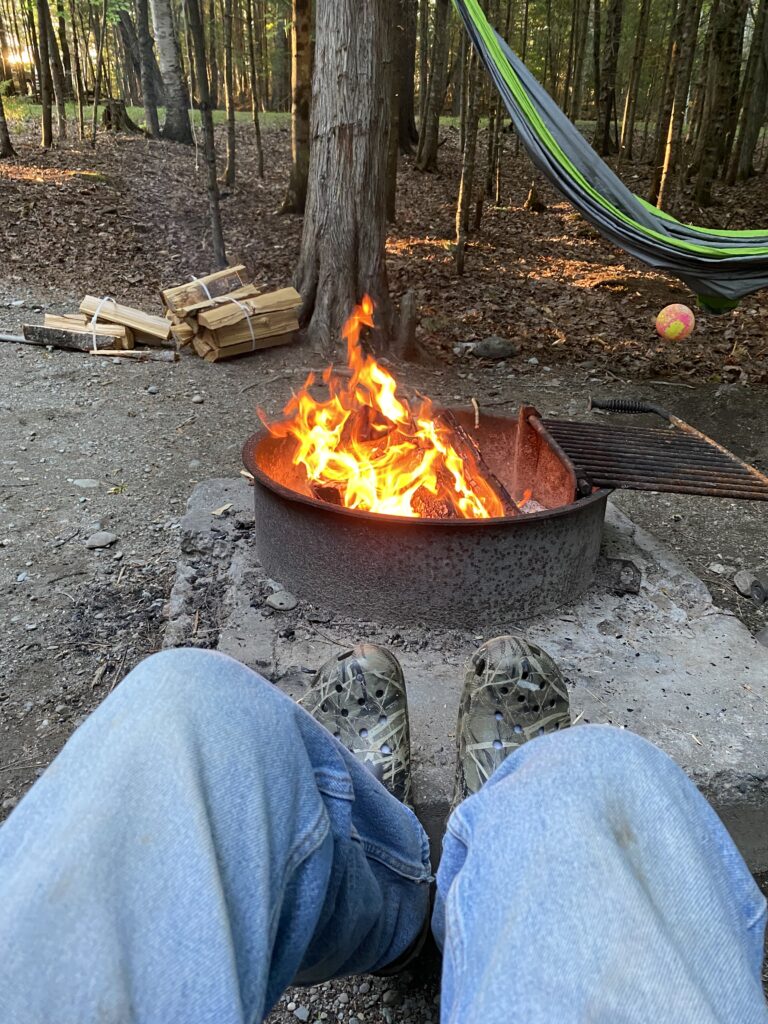
Why skip the hotel? RVing offers a “best of both worlds” experience. Unlike tent camping, you’re not at the mercy of the weather—rain, extreme heat, or cold nights won’t derail your trip.
Nature with a Safety Net: You get the campfire and the stars, but if a thunderstorm rolls in, you have a dry, hard-sided shelter.
Climate Control: No more sweating through a tent in July. Flip on the AC on hot days and enjoy a movie in comfort.
Your Own Bed: There is a unique comfort in knowing exactly who slept in your sheets and used your bathroom last.
Freedom and Flexibility
RV camping means you’re never locked into hotel reservations. Change your plans on a whim, extend your stay at favorite spots, or move on when you’re ready. You bring your own bed, kitchen, and bathroom everywhere you go. For families, having your own space means kids can nap on your schedule, you can cook familiar meals, and everyone has their own sleeping area.
Cost-Effective Travel
While the initial investment is significant, RV camping often costs less than hotels and restaurants. Campsites range from $20-80 per night (versus $150+ for hotels), and cooking your own meals saves substantially. Many RVers find their investment pays off after just a few years of regular use.
🛠️ The “Must-Have” Gear List
Don’t leave the driveway without these essentials. These are the items that keep the “adventure” from turning into a “headache.”
| Category | Must-Haves (The Essentials) | Enhancements (For Extra Joy) |
| Utility | Sewer Hose Kit, Water Pressure Regulator | Portable Solar Panels, Surge Protector |
| Setup | Leveling Blocks, Wheel Chocks | Electric Tongue Jack, Stabilizer Pads |
| Comfort | Quality RV Toilet Paper, Fresh Water Hose | Outdoor Rug, Zero-Gravity Chairs |
| Kitchen | Nesting Bowls, Cast Iron Skillet | Portable Blackstone Grille, Ice Maker |
- Water Pressure Regulator: Protects your RV’s plumbing from high-pressure campsite spigots.
- Sewer Hose & Connectors: Essential for maintaining hygiene and clearing tanks.
- Leveling Blocks & Wheel Chocks: Keeps your rig stable and safe on uneven ground.
- Surge Protector: Shields your sensitive electronics from power spikes.
Trip Enhancers (For Extra Joy)
- Jackery Explorer 1000 Pro: A portable power station that runs quietly and keeps your devices charged.
- Dometic CFX3 Powered Cooler: A compressor-powered fridge/cooler that eliminates the need for ice.
- Solo Stove Mesa XL: A tabletop, smokeless fire pit for quick ambiance.
- Outdoor Cooking: Blackstone Tabletop Griddle
- Move the kitchen outside to keep the heat and food smells out of your RV.
- Why It Wins: It’s more versatile than a traditional grill; you can cook anything from pancakes and eggs for breakfast to smash burgers for dinner.
🛠️ The Ultimate Used RV Inspection Checklist
1. The “Big Three” Deal Breakers
- Water Damage: Inspect ceilings, walls, and corners for discoloration, soft spots, or bubbling wallpaper.
- Soft Floors: Walk every inch of the floor, especially near the bathroom, kitchen, and slide-outs; any “sponginess” indicates rot.
- The Smell Test: A musty or damp odor is an immediate red flag for hidden mold or active leaks.
2. Exterior & Structural
- Roof Condition: Check for cracks in the sealant, soft spots on the roof membrane, and the condition of vents and A/C covers.
- Tires: Look for the DOT date code; even if they have tread, tires older than 5–6 years should be replaced. Check for “dry rot” (cracking in the sidewalls).
- Slide-outs & Awnings: Extend and retract all slides fully; they should move smoothly without grinding or hesitation.
3. Operational Systems
- Plumbing: Fill the fresh water tank and run the pump; check for leaks under all sinks and around the toilet.
- Electrical: Test every light switch and outlet (bring a small outlet tester).
- Propane & Appliances: Light every burner on the stove and ensure the refrigerator gets cold on both electric and propane settings.
4. Mechanical (For Motorhomes)
- Engine & Transmission: Check all fluid levels and look for signs of leaks or frayed belts.
- Test Drive: Listen for unusual rattles or vibrations and ensure the vehicle doesn’t “pull” to one side.
📑 Documentation Checklist
Service Records: A well-documented maintenance history (oil changes, roof resealing) is a sign of a responsible owner.
Clear Title: Verify the title is not “salvage” or “rebuilt”.
VIN Match: Ensure the VIN on the frame or door jamb matches the title exactly.
Final Thoughts: Your RV Adventure Awaits
Whether you choose a motorhome for all-in-one convenience or a travel trailer for flexibility and value, RV ownership opens up a world of adventure, freedom, and unforgettable memories. Starting with a used RV or rental lets you enter this lifestyle affordably while you learn what works best for your family.
Remember, the perfect RV is the one you’ll actually use. Don’t get caught up in having every luxury feature—focus on reliability, the right sleeping capacity, and features that match how you actually camp. The RV community is incredibly welcoming, so don’t hesitate to ask questions at campgrounds and online forums. Your next adventure is waiting!